
Planting guide
Everything you need to know about soil and substrate, explained simply.
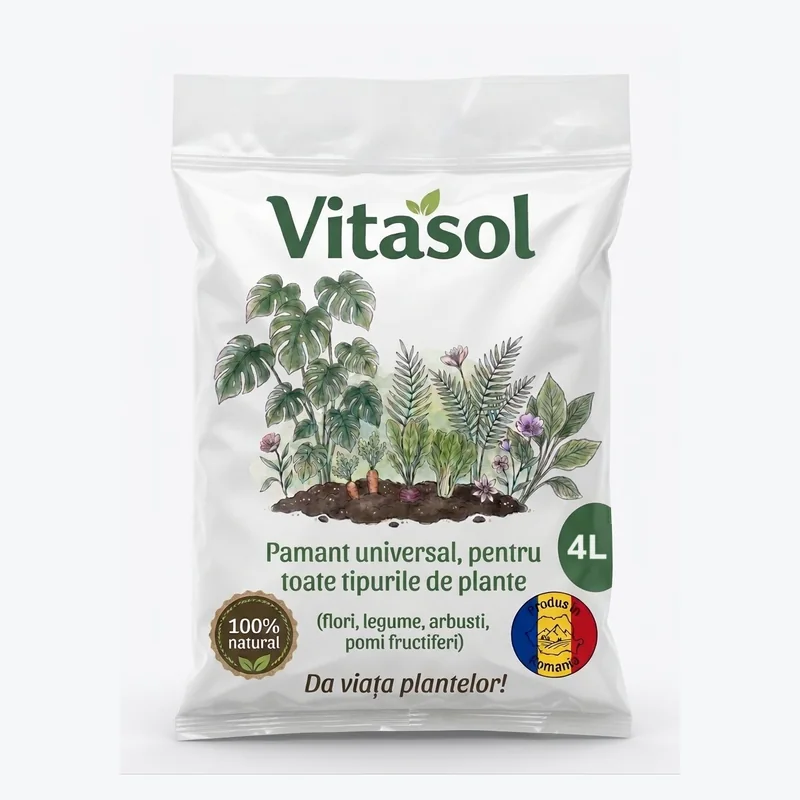
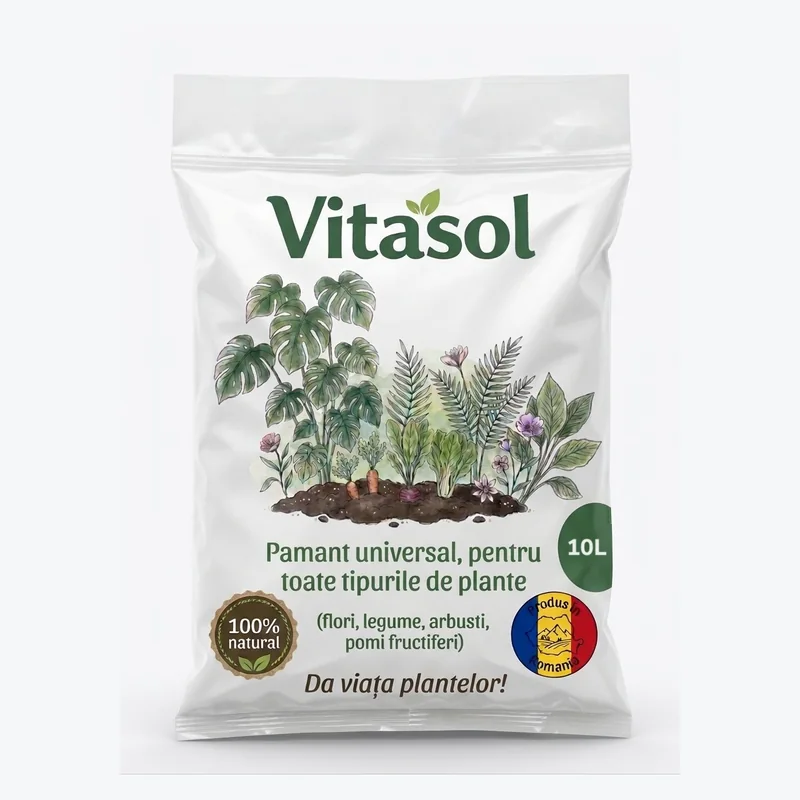
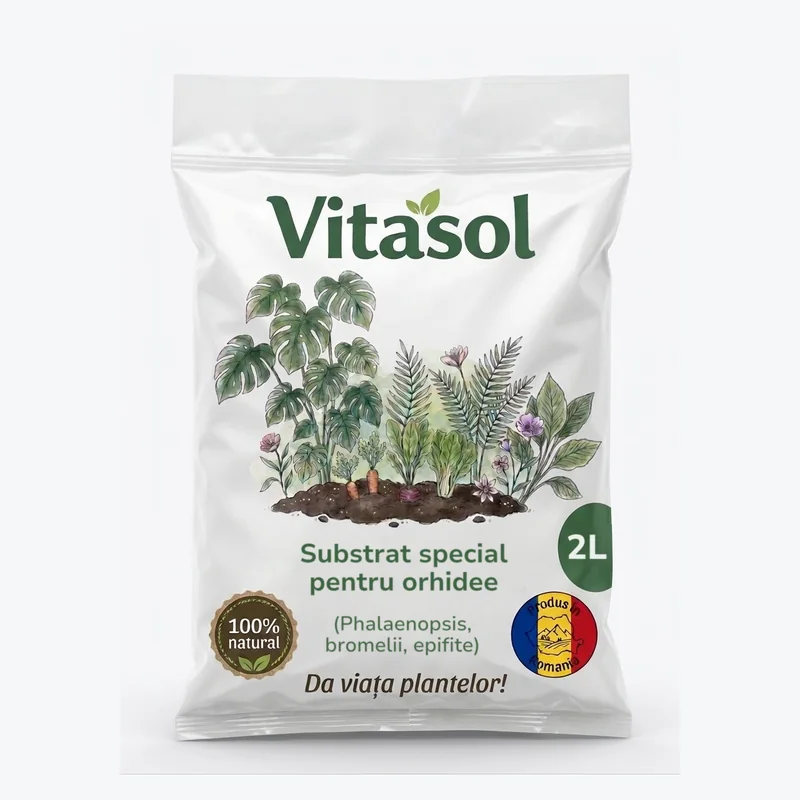
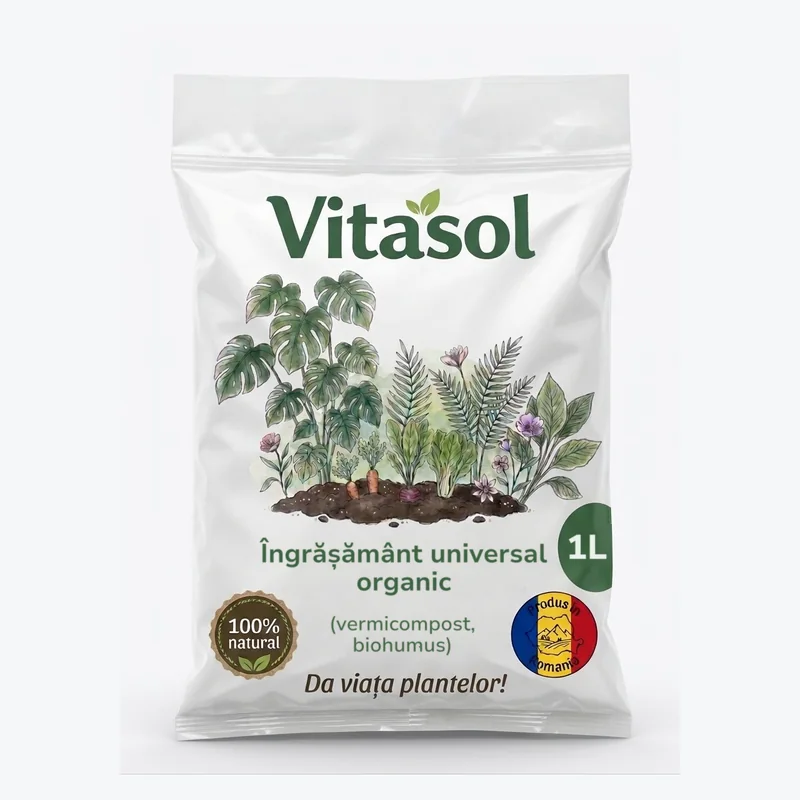
Planting in 6 steps
The basic steps, good for almost any potted plant.
- 1
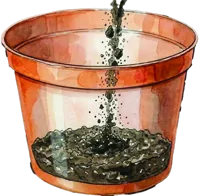
Add soil
- 2
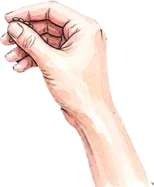
Plant the seeds
- 3
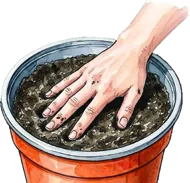
Press the soil down
- 4

Water gently
- 5
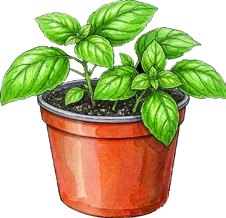
The first leaves appear
- 6
Enjoy the result
Types of soil and substrate
Not every soil suits every plant. Universal substrate works well for most house and garden plants, but some need special mixes.
Flowers
Looser soil that holds water well.
Vegetables
Soil richer in nutrients.
Herbs
Good drainage, to avoid excess moisture at the roots.
How to choose the right soil
Look at three things:
- A
The type of plant
Flower, vegetable, herb or houseplant.
- B
Where it grows
Pot, planter or garden bed.
- C
Light
How much light the plant gets.
In general, a quality universal substrate covers most hobby gardener needs. For better results, you can choose a soil dedicated to the category of plant you're growing.
Preparing the soil before planting
- 1Loosen the soil gently before adding seeds or seedlings, so roots can breathe and water can flow well.
- 2If planting in a pot, leave a few centimeters of space to the rim so you can water without overflowing.
- 3Put a drainage layer (gravel or expanded clay) at the base of the pot to prevent waterlogging.
Seasonal tips
Spring
The ideal time for most sowing, as temperatures start rising steadily.

Summer
Watch the watering: soil dries out faster, especially in pots exposed to direct sun.
Autumn
Suited to cold-hardy plants and to preparing soil for the next season, by loosening it and enriching it with fresh substrate.
Common planting mistakes
- Overwatering: roots need air too, not just water.
- Reusing the same soil year after year without refreshing it.
- Planting seeds too deep.
- A pot that's too large for a young plant: the soil can stay wet for too long.
Frequently asked questions about soil
How often should I change the soil in a pot?
For houseplants, every 12-18 months is a good rule of thumb, or whenever you notice water is no longer absorbing well.
Can I reuse old soil?
Yes, but it's best to mix it with fresh substrate and, if possible, a bit of compost, to replenish the nutrients used by the previous plant.
Why does drainage matter?
Good drainage prevents water from pooling at the roots, one of the most common causes of yellowing and root rot.